No Pain, No Gain Is Losing: Why America Is Falling Back in Love With Gentle Movement
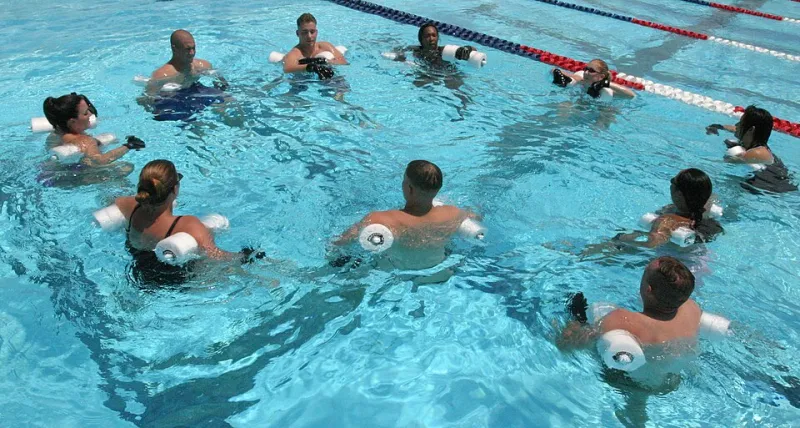
Photo: U.S. Marine Corps photo by Cpl. Martin R. Harris, Public domain, via Wikimedia Commons
Something strange is happening in American fitness, and it sounds a lot like... gentle breathing.
Reformer Pilates studios have waitlists in cities from Austin to Minneapolis. Water aerobics — once the exclusive territory of retirement communities in Florida — is filling up with millennials and Gen Z. Recreational walking has become an entire online subculture, complete with podcasts and Instagram accounts dedicated to the humble stroll. Even stretching, the thing we all skipped at the end of workouts for decades, now has its own classes, apps, and devotees.
The fitness industry has a name for it: "soft fitness." And while the name sounds a little condescending, the underlying shift might be the healthiest thing to happen to American movement culture in fifty years.
The Burnout Behind the Barbell
Here's the context: after years of "no pain, no gain" culture — HIIT bootcamps, 5 a.m. cold plunges, fitness influencers filming their second workout of the day — people are tired. Genuinely, physiologically tired.
And the science is starting to back up what our bodies have been muttering for years: chronic high-intensity training without adequate recovery can backfire. Overtraining is associated with elevated cortisol, disrupted sleep, suppressed immunity, and — here's the kicker — worse adherence. People don't quit gentle movement. They quit brutal movement, usually around week three.
Research on exercise adherence consistently shows that moderate, enjoyable activity beats intense, dreaded activity over the long haul. And long-term consistency is where basically all the health benefits live: cardiovascular health, mood, longevity, cognitive function. The best workout isn't the one that burns the most calories. It's the one you're still doing in two years.
In other words, your grandma's water aerobics class might have been outperforming your HIIT program this whole time.
What Counts as 'Soft' Fitness
The movement umbrella is wide, and honestly, that's part of its appeal:
- Pilates and mat work — low-impact strength and core work with a meditative quality
- Water aerobics and swimming — resistance training that's kind to every joint you own
- Recreational walking — the underrated heavyweight of the bunch
- Stretching and mobility work — finally getting its due as a standalone practice
- Gentle yoga and tai chi — movement married to breath and balance
Notice what these have in common: none of them require you to destroy yourself, purchase expensive equipment, or feel ashamed afterward.
The Case for the Long, Gentle Game
There's a mindset shift at the heart of this trend, and it goes beyond workouts. For decades, American fitness culture framed exercise as punishment — for what you ate, for how you look, for not being disciplined enough. Soft fitness reframes movement as care. You don't do it to atone. You do it because it feels good and your body responds well to it.
That reframing matters more than any training program. Studies on exercise motivation keep finding the same thing: people who move for enjoyment and well-being exercise more consistently than people who move for appearance or punishment. Enjoyment isn't a nice-to-have. It's the mechanism.
And the recovery science agrees. Adaptation — the actual improvement from exercise — happens during rest, not during effort. A life full of gentle daily movement with real recovery may build more resilient health than a life of heroic workouts and exhausted weekdays.
Building a Gentle Routine That Actually Sticks
If you're ready to trade the grind for something sustainable, here's a simple starting framework:
Pick two anchor activities. One cardio-ish (walking, swimming, cycling at a conversational pace) and one strength-and-mobility-ish (Pilates, yoga, a stretching routine). That's the whole program.
Schedule them like appointments, but keep them short. Thirty minutes, three or four times a week. Consistency over intensity, every time.
Track how you feel, not what you burn. Energy, sleep quality, mood. Those are the real metrics, and they'll tell you far more than a calorie counter ever will.
Let intensity be optional. Some weeks you'll want to push. Great. Some weeks you won't. Also great. A flexible routine survives real life; a rigid one doesn't.
The Verdict: Soft Isn't Weak
There's something quietly radical about a culture that spent decades glorifying exhaustion deciding to slow down. Soft fitness isn't giving up on health — it's finally defining health on terms a human being can actually live with.
So yes, take the water aerobics class. Join the walking club. Stretch while your dinner heats up. Your grandma was ahead of her time, and your joints will spend the rest of your life thanking you for figuring that out.