Your Therapist Might Hand You Sneakers Next: The Quiet Rise of the Walk-and-Talk Session
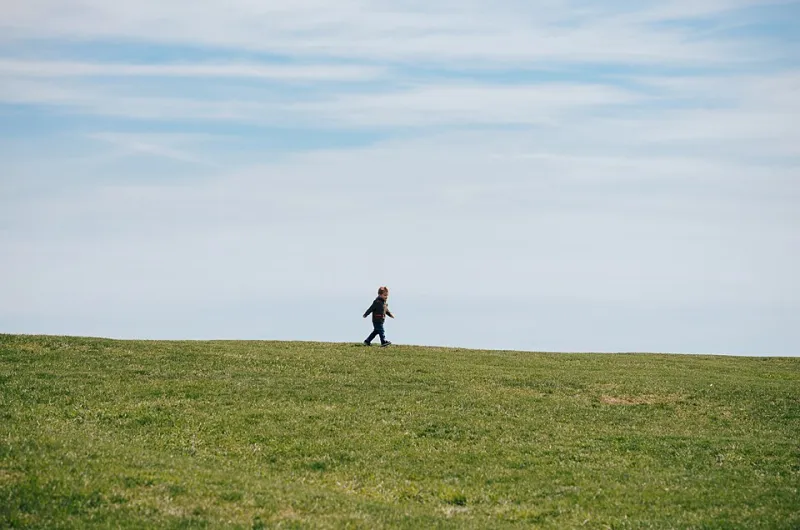
Photo: Kelly Sikkema kelsikkema, CC0, via Wikimedia Commons
There's a moment happening in therapy offices across America right now that would've sounded absurd a decade ago: a licensed therapist lacing up their sneakers and saying, "Want to take this outside?"
Walk-and-talk therapy — where sessions happen on foot instead of on a couch — has quietly become one of the fastest-growing formats in mental health practice. Therapists in Portland are holding sessions in forest parks. Clinicians in Chicago are doing laps around neighborhood blocks with clients. And the clients? A lot of them say they open up faster walking side by side than they ever did sitting across from someone.
But here's the part that should get your attention: you don't need a therapist to tap into most of what's making this work.
Why Your Brain Loves It When Your Feet Move
There's a real scientific concept called bilateral movement — the rhythmic, alternating motion of your left and right sides. Walking is bilateral movement at its most basic. And researchers studying everything from EMDR therapy to exercise psychology have found that this steady left-right rhythm appears to help the brain process emotions and memories more fluidly.
Think of it like this: when you're stuck on a problem sitting still, your thoughts loop. Add walking, and something loosens. The thoughts start moving too. Anyone who's ever figured out their life on a long walk already knows this intuitively — now there's science nodding along.
Layer on top of that what researchers call "soft fascination" — the gentle, effortless attention nature demands of you when you're outdoors — and you get a double effect. Your nervous system gets a break from the alert, scanning state most of us live in, while your mind stays lightly engaged. It's rest and processing at the same time.
One Stanford study famously found that walking boosted creative output by an average of 60% compared to sitting. Sixty percent. From putting one foot in front of the other.
The Side-by-Side Effect
There's another reason walk-and-talk therapy works, and it's pure human wiring.
Sitting face-to-face with someone while discussing hard things can feel like an interrogation — even when the person across from you is kind. Walking side by side changes the dynamic entirely. You're both looking forward. Eye contact becomes optional. Silence doesn't feel like failure; it just feels like walking.
Therapists who use this format say clients — especially men and teens, groups that often resist traditional talk therapy — tend to speak more freely when there's no couch, no clipboard, no direct gaze. The conversation happens almost by accident, in the margins of the movement.
That's a lesson for the rest of us too. Some of the best conversations you'll ever have with a friend, a partner, or your own thoughts won't happen at a table. They'll happen at a walking pace.
Building Your Own Soul Stroll (No Upsells, I Promise)
The wellness industry has already tried to monetize walking — weighted vests, "walking pads" with subscription apps, $140 recovery sandals. You can ignore all of it. Here's the entire setup:
1. Pick a 20-minute loop. Around the block, through a park, wherever. Twenty minutes is the sweet spot where the research shows mood benefits kicking in, and it's short enough that your brain can't argue.
2. Leave the podcast at home. At least some days. The mental processing benefits come from letting your mind wander, not from filling it with input. If silence feels weird for the first five minutes, that's not boredom — that's withdrawal. Push through.
3. Try the "walk and talk" with a friend. Once a week, trade coffee for a stroll with someone you trust. You'll be amazed what people say when they're not making eye contact.
4. Keep it boring on purpose. This isn't a workout. No pace goals, no step counts, no "earning" anything. The moment it becomes a performance metric, you've handed it back to the optimization machine.
5. Stack it onto something you already do. After lunch, after the school drop-off, after your last meeting. Habits stick when they hook onto existing routines, not willpower.
The Most Accessible Mental Health Tool in America
Here's what gets me about the walk-and-talk movement: it might be the only mental health intervention with essentially zero barriers. No insurance copays. No waitlists. No app. No equipment beyond shoes you already own.
That doesn't mean walking replaces therapy for people who need it — it doesn't, and if you're struggling, please reach out to a professional. But as a daily maintenance practice, as a way to process the day, move stuck emotions, and think clearly again? Twenty minutes on your feet is quietly outperforming a lot of things that cost real money.
The couch had a good run. But your best thinking might be waiting outside, at about three miles an hour.